 AtonuRoyCh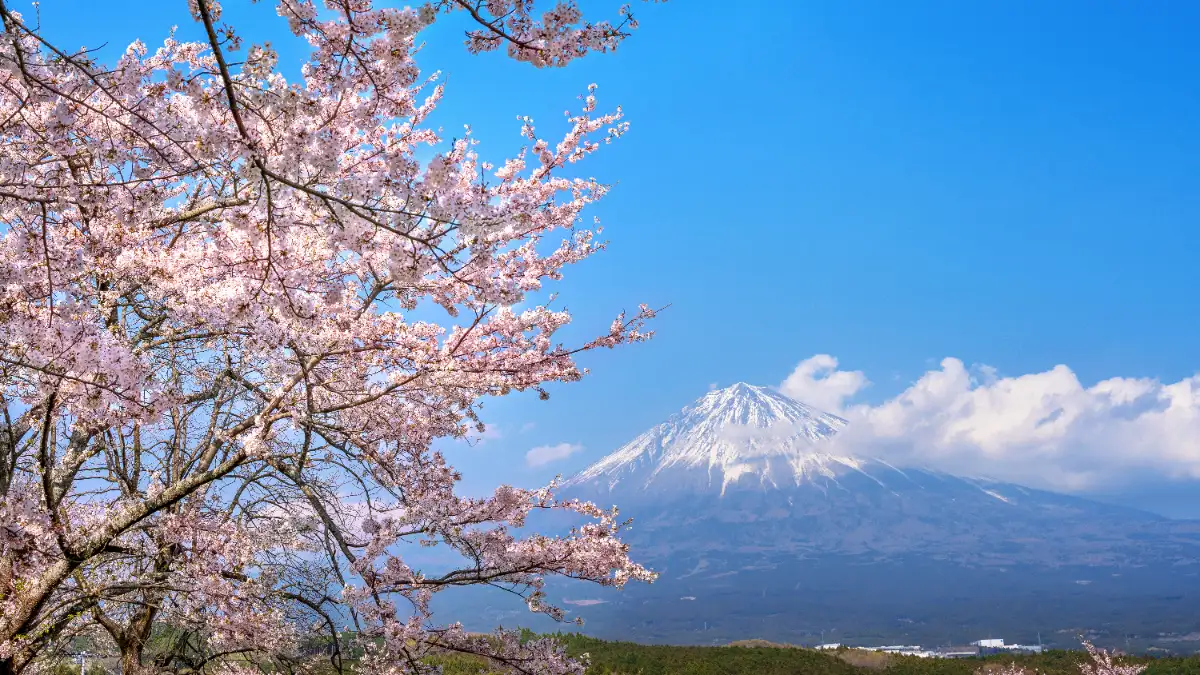
Beyond the Clichés: A Real Look at Japan, Culture, Tech, and Anime
When people talk about Japan, the same things usually come up. Cherry blossoms, neon-lit streets in Tokyo, bullet trains, and anime. And while those things are very real, they only scratch the surface. Japan is a place of fascinating contradictions—where ancient traditions sit right next to tomorrow's technology, and where a deep respect for collective harmony shapes everyday life.
If you want to understand what makes Japan genuinely unique, you have to look at the pillars that define the country: its culture, language, technological edge, tourism hotspots, and the global pop culture phenomenon that is anime.
1. Culture: The Balance of Tradition and Harmony
Japanese culture is built on deep-rooted concepts that influence how people interact, work, and live.
- Wa (Harmony): Society places a massive emphasis on group harmony and mutual respect. People queue patiently for trains, keep public spaces spotless, and avoid causing inconvenience to others.
- The Blend of Faiths: Most Japanese people practice a mix of Shinto (indigenous to Japan and focused on nature spirits) and Buddhism. You will often see modern office workers stopping by a quiet Shinto shrine to pray for good luck before heading to work.
- Omotenashi: This is the traditional philosophy of Japanese hospitality. It means anticipating someone's needs before they even have to ask, which is why customer service in hotels, restaurants, and convenience stores feels exceptionally thoughtful.
2. Language: Politeness in Practice
The Japanese language is unique, rich, and closely tied to social hierarchy and context.
- The Three Writing Systems: Japanese uses a mix of three scripts: Hiragana (for native words and grammar), Katakana (for foreign loanwords), and Kanji (Chinese characters adopted into the language).
- Keigo (Honorifics): Depending on who you are talking to—a close friend, a coworker, or a boss—the grammar and vocabulary change entirely. The language has built-in levels of politeness that reflect social standing and respect.
3. Technology: Precision Meets Everyday Convenience
Japan has long been a global powerhouse in engineering and technology, but the focus is often on making daily life smoother rather than just flashy gadgets.
- Transportation: The Shinkansen (bullet trains) run down to the exact second, traveling at speeds over 300 kilometers per hour with an almost spotless safety and punctuality record.
- Automation: Vending machines are on nearly every street corner, selling everything from hot canned coffee to fresh fruit. High-tech toilets, automated parking lots, and robotics in hospitality are completely normal here.
- Robotics & Manufacturing: Beyond daily gadgets, Japanese companies drive global advancements in industrial robotics, automotive engineering, and electronics.
4. Anime and Pop Culture: A Global Phenomenon
You cannot talk about modern Japan without talking about anime, manga, and gaming. What started as a local art form has become a massive global cultural export.
- Cultural Impact: Shows like Naruto, One Piece, Dragon Ball, and masterpieces from Studio Ghibli have introduced millions of people worldwide to Japanese storytelling, art styles, and even food.
- Akihabara and Otaku Culture: In Tokyo, districts like Akihabara serve as holy grounds for fans, filled with multi-story anime merchandise shops, retro gaming arcades, and themed cafes. It represents the creative, playful side of modern Japanese youth culture.
5. Must-Visit Tourist Spots
Japan offers wildly diverse landscapes, from ultra-modern urban jungles to quiet mountain trails.
- Tokyo: A massive metropolis where futuristic skyscrapers in Shinjuku meet historic temples like Sensō-ji in Asakusa.
- Kyoto: The cultural heart of the country, famous for thousands of classical Buddhist temples, gardens, imperial palaces, and traditional wooden houses.
- Osaka: Known as the nation's kitchen, famous for street food like takoyaki (octopus balls) and a vibrant, friendly nightlife.
- Hokkaido & The Alps: Perfect for nature lovers, offering volcanic hot springs (onsen), winter skiing, and stunning rural landscapes away from the heavy city crowds.
Japan is not a flawless utopia, and daily life comes with challenges like high population density and intense work hours. But as a blend of deep history, hyper-innovation, and cultural charm, there is simply no other place quite like it.
